Spotlight: The Evolution of Ford Mustang #29
By Made in US Admin
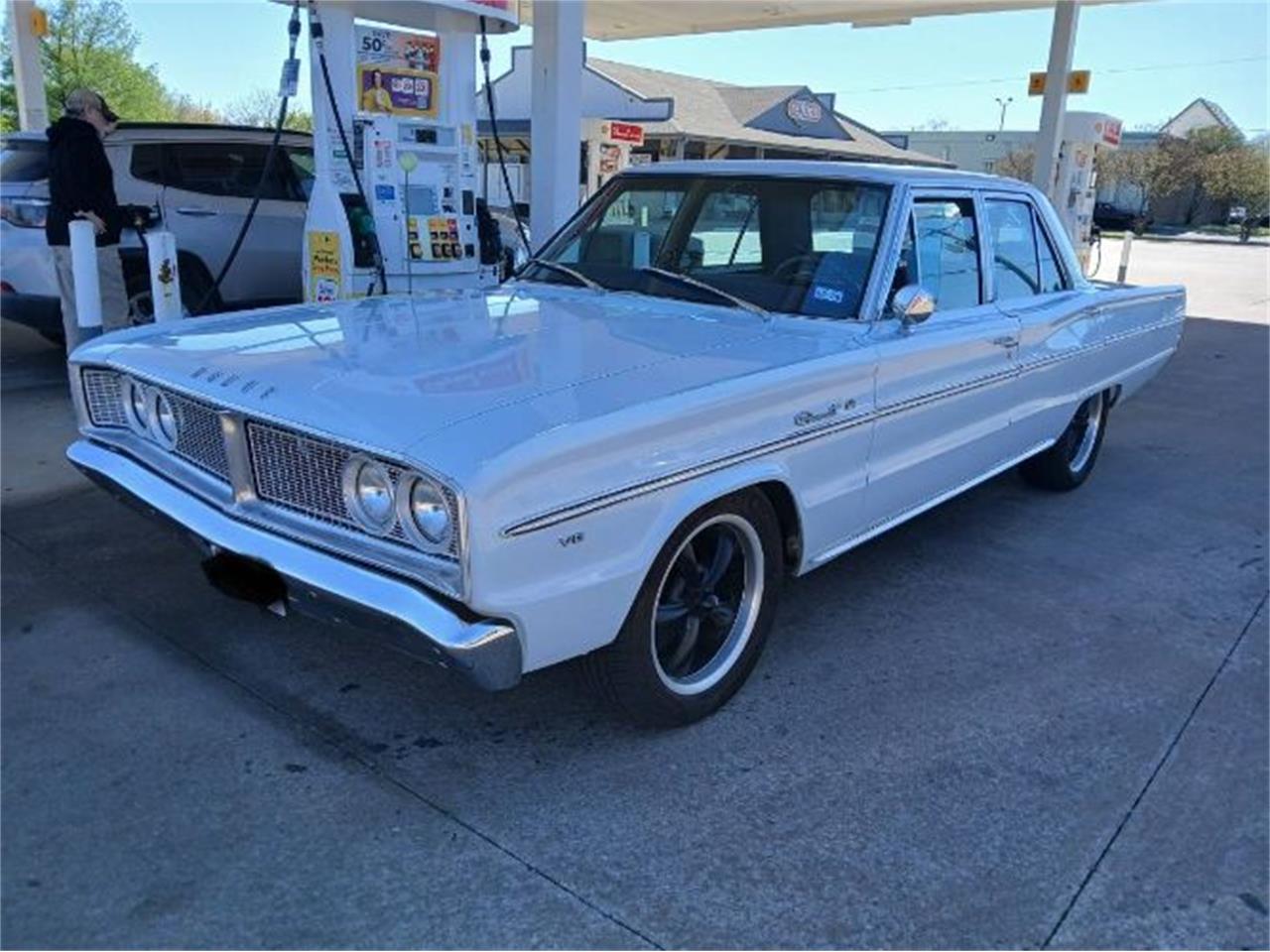
Quick answer: The first-generation Ford Mustang ran from 1964½ to 1973. It began as a compact, affordable sporty car and grew larger and more powerful each year, adding fastback styling, big-block V8s and legendary models such as the Shelby GT350, Mach 1 and Boss 302. Today it is the most collected Mustang.
Updated October 2026. Figures are checked against the sources listed at the end of this article.
Key numbers
- Years: 1964½–1973
- Body styles: Hardtop coupe, convertible, fastback
- Launch: April 17, 1964
- Key models: GT, Shelby GT350/GT500, Mach 1, Boss 302/429
- EU and UK import duty today: 0% as a collector car (30+ years, original)
The car that created a segment
The original Mustang used parts from the compact Ford Falcon to keep costs low, wrapped in a sporty long-hood, short-deck body. Buyers could choose a frugal six-cylinder or a V8, and personalise the car with a long options list. Demand far exceeded expectations, and the 'pony car' class was born.
How it grew
| Model years | Change |
|---|---|
| 1964½–1966 | Original styling; coupe, convertible, then fastback |
| 1965 | Shelby GT350 introduced |
| 1967–1968 | Larger body for big-block V8s; GT500 arrives |
| 1969–1970 | Mach 1, Boss 302 and Boss 429 |
| 1971–1973 | Largest Mustang yet; Mach 1 continues |
Special models collectors want
- Shelby GT350 and GT500: performance versions developed with Carroll Shelby.
- Boss 302: built for road racing homologation.
- Boss 429: a big-block built for NASCAR homologation; very rare.
- Mach 1: a popular performance fastback from 1969.
- Bullitt connection: a 1968 GT fastback starred in the film Bullitt.
What to check before buying
| Area | What to look for |
|---|---|
| Floors and torque boxes | Rust and patch repairs |
| Cowl | Rust causing leaks into the footwells |
| Rear quarters and trunk floor | Rot and filler |
| VIN and door tag | Match the claimed model |
| Documentation | Marti Report confirms original equipment |
| Clones | Fake Shelby, Boss or GT conversions |
Importing a first-generation Mustang
At over 30 years old and in original condition, a first-generation Mustang pays 0% import duty in the EU and UK, with reduced VAT in several countries.
| Destination | Duty | VAT rate | Landed cost |
|---|---|---|---|
| Germany | 0% | 7% | $50,076 |
| France | 0% | 5.5% | $49,374 |
| Netherlands | 0% | 9% | $51,012 |
| United Kingdom | 0% | 5% | $49,140 |
The numbers behind the launch
Ford had expected modest sales, but the Mustang became one of the most successful launches in American car history, with sales running into the hundreds of thousands in its first year. Its success led General Motors and Chrysler to rush their own pony cars to market: the Camaro and Firebird for 1967, and the Barracuda and Challenger later.
Engines and drivetrains
First-generation Mustangs offered everything from economical inline-sixes to big-block V8s. Early cars typically used the 289 cu in V8; by 1969 and 1970, buyers could choose the Boss 302 for road racing, the 428 Cobra Jet for drag racing or the Boss 429 for NASCAR homologation. Manual and automatic gearboxes were available, along with options such as power steering, front disc brakes and air conditioning that affect value today.
Coupe, convertible or fastback?
| Body style | Collector appeal | Notes |
|---|---|---|
| Hardtop coupe | Good entry point | Most common, lowest prices |
| Convertible | Strong | Check for body flex and floor rust |
| Fastback | Highest | Shelby, Mach 1 and Boss models used it |
Restored, original or restomod
An original, matching-numbers car with documentation commands the highest prices and is the easiest to classify as a collector item at customs. Restored cars built to original specification also qualify. Restomods with modern engines and suspension are great to drive but can lose collector status for import purposes, which means paying standard rates instead of the reduced classic rates shown above.
Parts and ownership abroad
Reproduction parts for first-generation Mustangs are easy to find, from body panels to interior trim. That, plus active Mustang clubs across Europe, makes the first-generation car one of the most practical classics to own outside the US.
Frequently asked questions
What years are first-generation Mustangs?
1964½ to 1973.
What is a Marti Report?
A report from Ford production records that confirms a Mustang's original options.
Do classic Mustangs pay import duty in Europe?
No, if they're over 30 years old and original: 0% duty in the EU and UK.
Related reading
Looking for an American car shipped to your country? Made in US lists 21,500+ vehicles from verified US sellers, with transport to your destination port included and no markup on the seller's price.