1964 Chevrolet Corvette Sting Ray
Price: $79,997
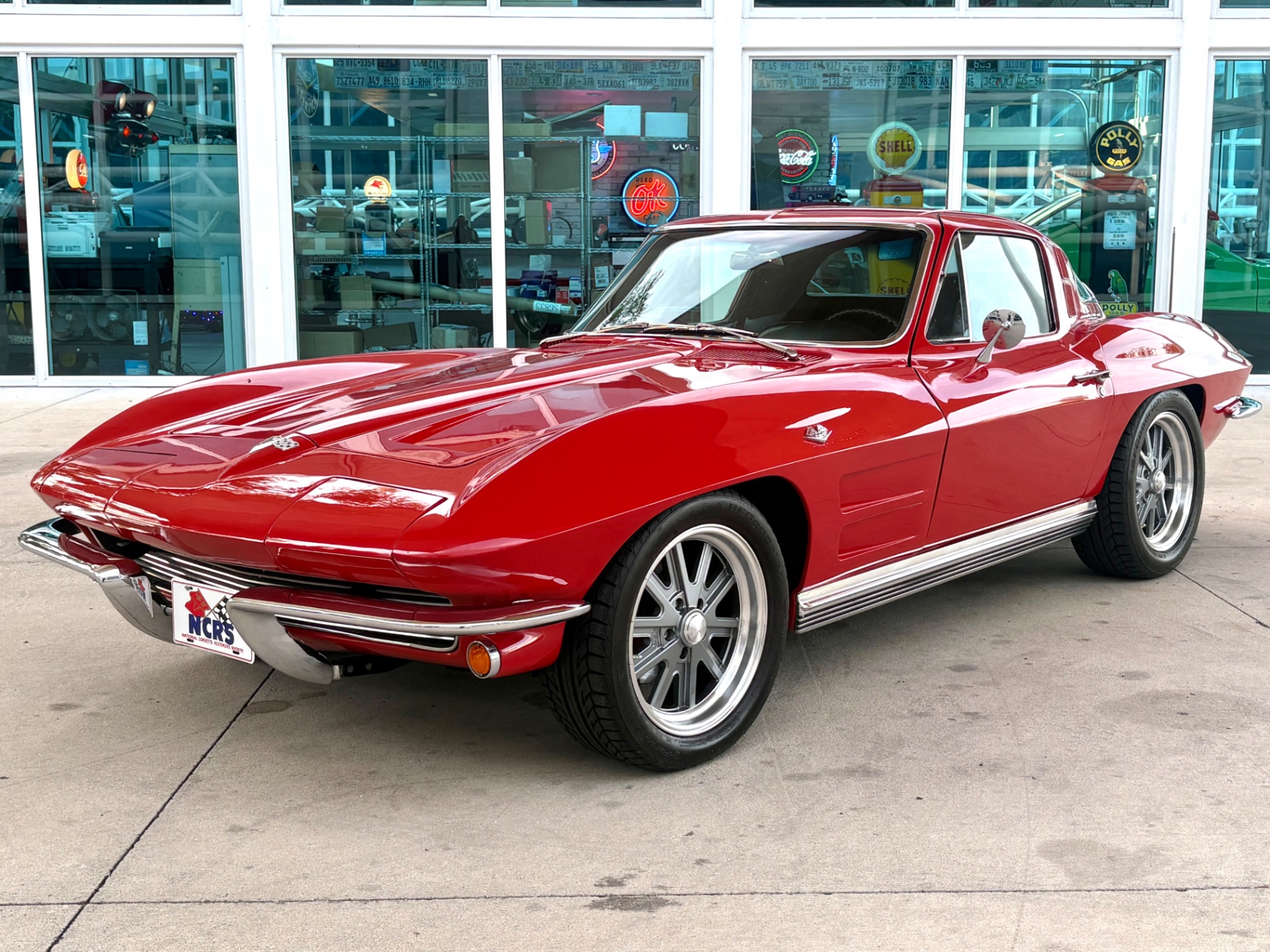
The 1964 Chevrolet Corvette Sting Ray coupe sits in a uniquely desirable position within the C2 generation. Chevrolet produced 8,304 Sting Ray coupes for 1964 out of a total Corvette run of 22,229 units that year, making the coupe the less common body style compared to the roadster. The split rear window that defined the 1963 coupe was gone by 1964 — replaced with a one-piece backlight — and collectors have long debated which year is more correct. What is not debatable is that the 1964 refinements made the car more livable without softening its character. Zora Arkus-Duntov's fully independent rear suspension, standard on every 1963 and 1964 Corvette, was a genuine engineering achievement at the time and remains a defining reason why these cars handle with more precision than most of their contemporaries. This particular 1964 Corvette Sting Ray has been built as a resto mod — a car that preserves the original body, chassis, and powertrain identity while upgrading the suspension, braking, and comfort systems to modern standards. The approach is deliberate: you get the shape and the sound of a mid-1960s Corvette, paired with hardware that makes it confidence-inspiring on today's roads. The VIN confirms this is a genuine 1964 Corvette coupe, built at the St. Louis assembly plant, with the 327 cubic inch engine and 4-speed manual transmission as factory-ordered equipment. The L75 designation identifies the 300 horsepower version of the 327, a strong mid-range choice that in 1964 sat between the base 250hp unit and the more aggressive fuel-injected and high-compression variants. It was, and remains, one of the most balanced combinations Chevrolet offered in the C2. The result here is a 1964 Corvette Sting Ray you can drive on a Saturday afternoon without second-guessing every bump in the road. The 327 cubic inch small block in this 1964 Corvette Sting Ray carries the L75 designation, which in 1964 meant a 300 horsepower rating, a four-barrel carburetor, and a hydraulic camshaft. That combination made it tractable in traffic while still capable on the highway. Paired with the Muncie 4-speed manual — Chevrolet's preferred gearbox for Corvette applications throughout the 1960s — the drivetrain delivers a connected, manual-shift experience that an automatic simply cannot replicate in a car like this. The Muncie units were known for precise gate feel and durability, and they remain well-supported with parts and rebuilders today. The suspension work on this car goes well beyond a basic refresh. Up front, coilover adjustable shocks replace the factory arrangement, giving the owner the ability to tune ride height and damping. The power rack-and-pinion steering is a meaningful upgrade over the original recirculating ball setup — sharper on-center feel, better feedback, and less effort at parking speeds. At the rear, the Shark Bite aftermarket suspension paired with adjustable coilover shocks works with the factory-design independent rear suspension geometry that made the C2 Corvette so capable to begin with. The factory C2 IRS used U-jointed half-shafts as the upper lateral links — an unconventional arrangement that allowed Duntov's team to keep unsprung weight low. The upgraded coilovers build on that foundation rather than replacing it. Power disc brakes complete the package, addressing the most significant safety limitation of original drum-equipped early Corvettes. The undercarriage has been painted, which you can verify in the photos — clean, black, and free of the deterioration that plagues most sixty-year-old cars that have spent their lives under salt and weather. The exhaust runs the correct chambered dual configuration, exiting through the rear bumper in the style-correct location. The sound profile of a chambered exhaust on a small block 327 is one of the more distinctive notes in American automotive history — raspy at idle, purposeful under load. The cabin of this 1964 Corvette Sting Ray follows the factory layout closely while adding a few well-chosen updates. The black vinyl bucket seats are correct to the period and show the ribbed vertical stitching pattern that defined C2 Corvette interiors. The center console runs the length of the tunnel, housing the Muncie shifter with its chrome ball and the correct shift pattern plate — a detail visible in the photos that confirms the 4-speed installation is properly finished. The teakwood steering wheel is a factory option that many 1964 Corvette buyers selected, and its warm grain stands out against the all-black instrument panel in a way that a standard wheel does not. The factory gauge cluster is intact and functional, anchored by the large 160 mph speedometer and the tachometer that reads to 7,000 rpm. The dashboard clock — a separate instrument mounted on the passenger-side console area between the two main gauges — is present and appears to be working in the photos. In 1964, the clock was an option, not standard equipment, and its presence here adds to the car's specification level. Ventilation controls are the correct pull-style knobs, and the vintage air conditioning system uses the factory-style control panel so the under-dash appearance is not compromised by aftermarket hardware. The Rockford Fosgate subwoofers are mounted in the rear cargo area, visible in the photos sitting in their enclosures on the carpeted load floor. The Bluetooth stereo head unit is integrated into the console area. The Corvette logo floor mats carry the crossed-flags emblem and are fitted correctly front and rear. Lap seat belts are in place on both sides. The 1964 Chevrolet Corvette Sting Ray coupe body is one of the most purposeful shapes produced during the muscle car era. Bill Mitchell's design team gave the C2 a fastback roofline, hidden headlights, and side fender vents that read as functional even when they were largely decorative. On this car, the red exterior is a strong color choice for the body — the contour lines on the hood, the swept rear quarters, and the kick-up behind the door all register more clearly in a saturated color than they do in a neutral. The chrome front and rear bumpers are present and in good condition based on the photos, with the rear bumper framing the four exhaust outlets that emerge from the body cutouts — a signature of the chambered exhaust setup. The retractable headlights are functional, as they should be — a non-working headlight mechanism on a C2 is a common deferred maintenance item, and having them operate correctly matters both for use and for value. American Racing wheels replace the factory hubcaps, fitting within the wheel openings without overstretching the fenders. BF Goodrich g-Force Sport tires wrap the rims, a modern performance radial that works well with the upgraded suspension hardware underneath. The tire sidewalls in the photos confirm the 225/55R17 sizing at the rear. The body panels show the correct coupe profile without the split window of the 1963, and the Corvette Sting Ray badge on the passenger-side dash cap — visible in the interior photos — confirms the model designation as it appeared from the factory. This 1964 Chevrolet Corvette Sting Ray coupe represents a clear-headed approach to the resto mod concept. The powertrain is correct — a genuine 327/300 L75 with a Muncie 4-speed, the combination that most buyers in 1964 who were serious about driving chose. The suspension, steering, and braking have been upgraded in ways that improve the car's usability without erasing what makes a C2 Corvette worth owning in the first place. The interior is period-correct in its major details while adding modern audio and climate comfort. The undercarriage work is visible and solid. For a buyer who wants a 1964 Corvette Sting Ray that can be driven regularly rather than stored and fretted over, this car is built for exactly that purpose. To learn more or schedule a time to see this 1964 Chevrolet Corvette Sting Ray in person, contact Skyway Classics at 941-254-6608.
- Mileage: 42,244 mi
- Transmission: 4-Speed Manual
- Body Type: Coupe
- VIN: 40837S103114
- Stock #: MIU28560
- Location: Sarasota, FL