American Muscle Cars for Sale
Big V8s in mid-size American bodies: the classic muscle cars of 1964–1974 from Chevrolet, Pontiac, Oldsmobile, Buick, Dodge, Plymouth, Ford, Mercury and AMC, plus the modern cars that revived the idea.
Each car is shown at its delivered price to your destination port, with US transport, ocean freight and our service included.
Muscle cars available now
602 vehicles available.

2022 Ford Mustang
Delivered price to France: $45,483
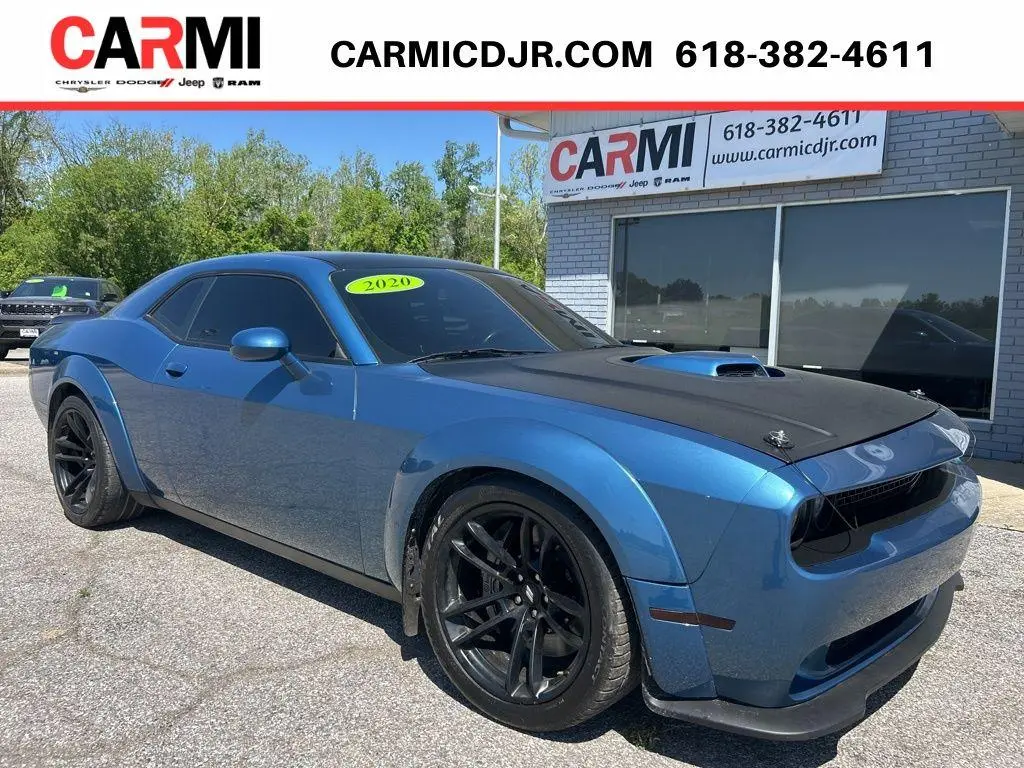
2020 Dodge Challenger
Delivered price to France: $56,323

2023 Dodge Charger
Delivered price to France: $45,649

2019 Dodge Charger
Delivered price to France: $40,487

2023 Ford Mustang Mach-E
Delivered price to France: $37,405

2016 Dodge Charger
Delivered price to France: $35,345

2010 Chevrolet Camaro
Delivered price to France: $31,127

2020 Dodge Challenger
Delivered price to France: $36,388

2018 Dodge Challenger
Delivered price to France: $43,581

2021 Dodge Charger
Delivered price to France: $25,528

2023 Ford Mustang
Delivered price to France: $55,945

2023 Ford Mustang Mach-E
Delivered price to France: $46,679

2021 Dodge Charger
Delivered price to France: $24,725

2020 Chevrolet Camaro
Delivered price to France: $28,139
1970 Mercury Cyclone
Delivered price to France: $43,487

2014 Chevrolet Camaro
Delivered price to France: $19,579

2026 Ford Mustang
Delivered price to France: $52,139

2025 Ford Mustang Mach-E
Delivered price to France: $43,580

2023 Ford Mustang Mach-E
Delivered price to France: $37,926
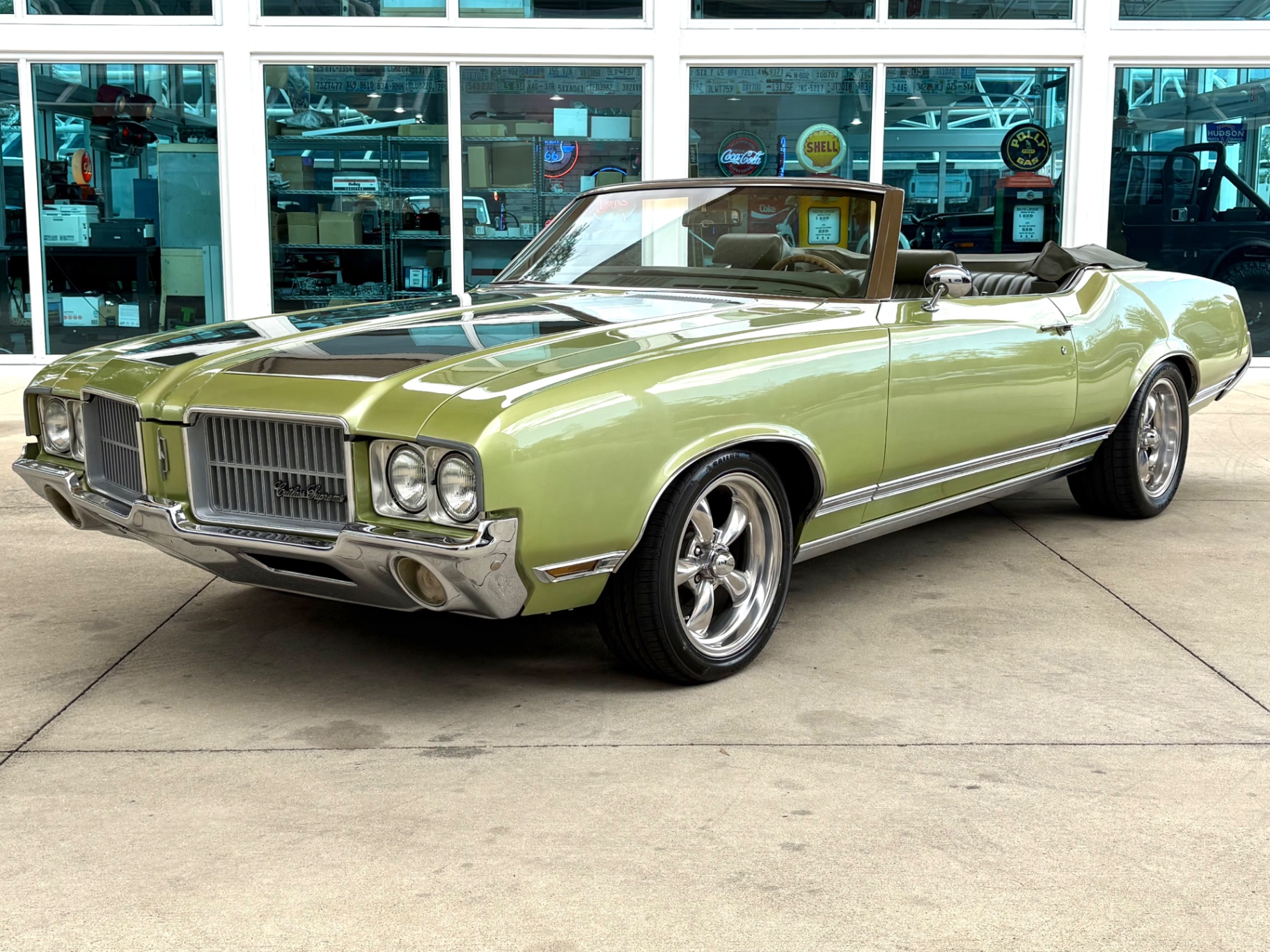
1971 Oldsmobile Cutlass Supreme Convertible
Delivered price to France: $66,247

2022 Dodge Challenger
Delivered price to France: $76,550

2024 Ford Mustang
Delivered price to France: $33,368

2025 Ford Mustang Mach-E
Delivered price to France: $43,589

2023 Ford Mustang
Delivered price to France: $29,994
The muscle car era
The formula was simple: take a mid-size family car, fit the largest V8 available, and sell it at a price young buyers could afford. The 1964 Pontiac GTO is usually credited with starting the trend, and within a few years every American manufacturer had an answer: the Chevelle SS, Oldsmobile 442, Buick Gran Sport, Dodge Charger and Super Bee, Plymouth Road Runner and GTX, Ford Torino and AMC's Javelin and AMX, alongside pony cars such as the Mustang, Camaro, Firebird, Barracuda and Challenger.
Output peaked around 1970. From 1971 compression ratios fell as engines were prepared for unleaded fuel, from 1972 power was quoted in lower SAE net figures, and insurance costs and the 1973 oil crisis ended the era. That is why 1968–1970 cars with the top engine options are the most valuable today.
The idea returned in the 2000s with the retro-styled Mustang (2005), Challenger (2008) and Camaro (2010), and supercharged versions such as the Challenger and Charger Hellcat. Dodge ended V8 Challenger and Charger production after the 2023 model year.
Buying a muscle car: originality is everything
Because the same bodies were sold with modest six-cylinder and small V8 engines, many cars have been converted into more valuable versions over the years. That is fine if it is described honestly, but it changes the price. Check VIN and data-plate codes, engine stamping and any build sheet, and ask for documentation from marque specialists where it exists (for example PHS Historic Services for Pontiacs or a Marti Report for Fords).
Also look carefully for rust in floors, trunk, rear quarters and window channels, and for signs of past accidents in the frame or subframe. A video inspection before you buy is the best way to see what the photos don't show.
Importing an American muscle car
The United States has by far the largest supply of genuine muscle cars, and prices there set the global market. The delivered price covers the car, inland transport to the departure port, ocean freight to your destination port and our service.
Customs duties, import VAT or taxes, port charges at destination, registration and local compliance costs are paid separately. Classic cars over 30 years old often qualify for reduced duty or VAT as historic vehicles. Shipping times are estimates that depend on the port, shipping line, customs and destination country.
Frequently asked questions
What is the difference between a muscle car and a pony car?
A classic muscle car is a mid-size car with a large V8, such as a GTO, Chevelle SS or Road Runner. Pony cars, such as the Mustang, Camaro and Challenger, are smaller sporty coupes; the high-performance versions are usually counted as muscle cars too.
Which years are the classic muscle car years?
Roughly 1964 to 1972–1974. Performance peaked around 1970 before emissions rules, lower compression for unleaded fuel and rising insurance costs changed the cars.
How can I avoid buying a clone?
Compare the VIN, data plates, engine stamping and any build documents with the car and the seller's description, and use marque records where available. A car converted into a more valuable version should be described and priced as such.
What does the delivered price include?
Everything on the US side up to your destination port: the car, inland transport, ocean freight and our service. Customs duties, import VAT or taxes, destination port charges, registration and local compliance costs are not included.
Are parts easy to find for American muscle cars?
Yes. Most popular models are supported by reproduction parts suppliers who ship worldwide, and the V8 engines are well known to specialists in many countries.