Dodge Challenger for Sale
Dodge's pony car in both of its famous forms: the 1970–1974 E-body classics and the 2008–2023 modern Challenger, up to the supercharged Hellcat and Demon, sourced from sellers across the United States.
Every car is shown at its delivered price to your destination port, including US transport, ocean freight and our service.
Challengers available now
80 vehicles available.

2021 Dodge Challenger
Delivered price to France: $21,959

2019 Dodge Challenger
Delivered price to France: $37,325

2021 Dodge Challenger
Delivered price to France: $43,585
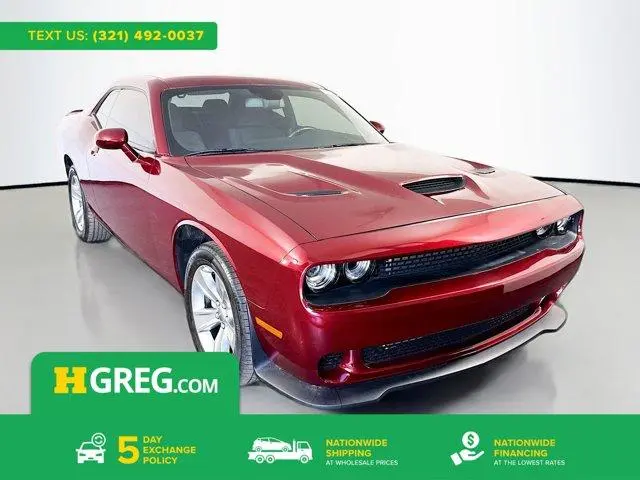
2022 Dodge Challenger
Delivered price to France: $24,017

2022 Dodge Challenger
Delivered price to France: $47,297

2022 Dodge Challenger
Delivered price to France: $38,429

2023 Dodge Challenger
Delivered price to France: $189,849
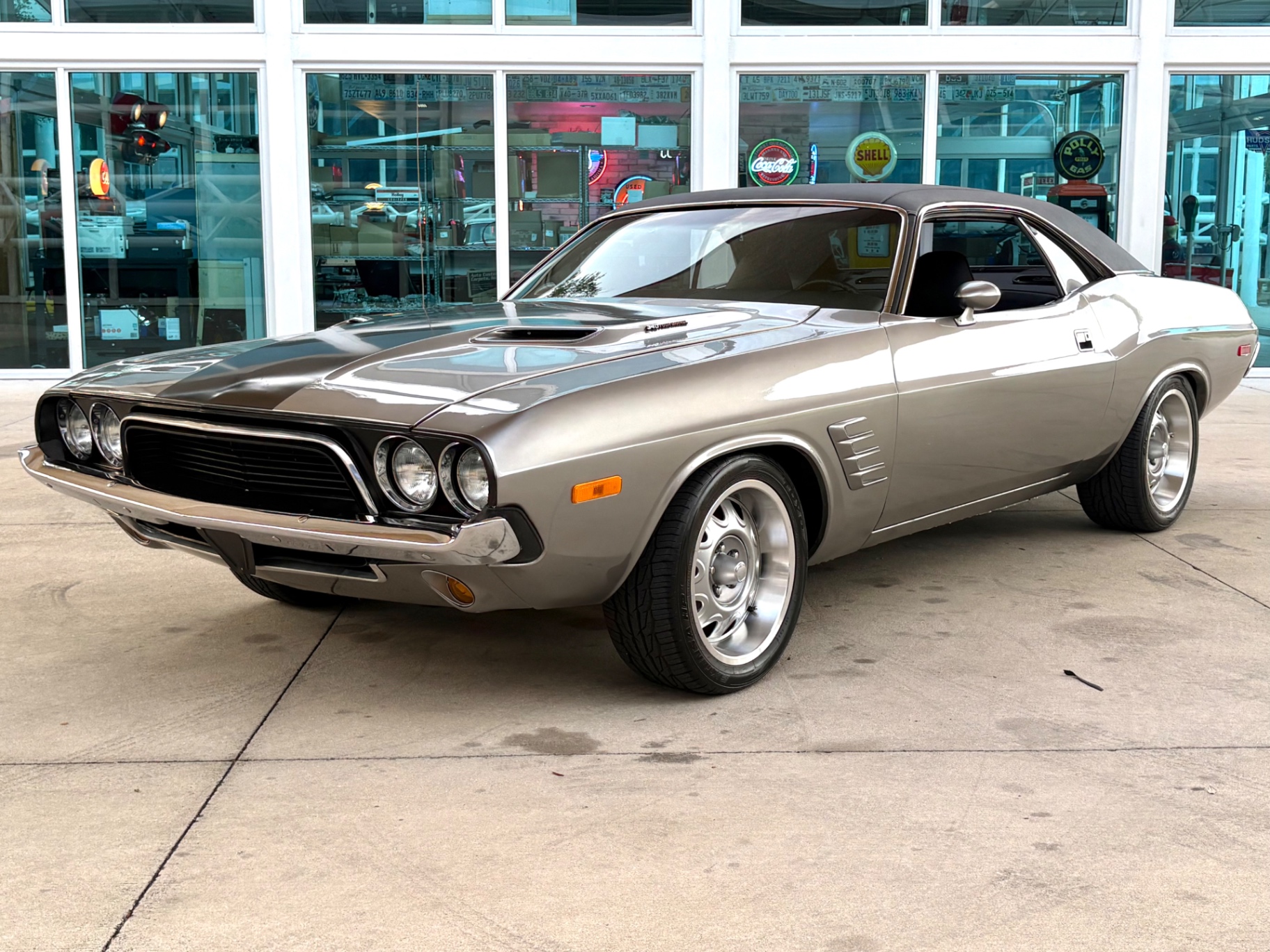
1973 Dodge Challenger Rallye
Delivered price to France: $71,397

2023 Dodge Challenger
Delivered price to France: $93,014

2016 Dodge Challenger
Delivered price to France: $52,748

2022 Dodge Challenger
Delivered price to France: $27,565

2022 Dodge Challenger
Delivered price to France: $31,038

2022 Dodge Challenger
Delivered price to France: $39,248

2023 Dodge Challenger
Delivered price to France: $52,079

2022 Dodge Challenger
Delivered price to France: $42,558

2021 Dodge Challenger
Delivered price to France: $32,255

2014 Dodge Challenger
Delivered price to France: $33,288

2023 Dodge Challenger
Delivered price to France: $50,214

2022 Dodge Challenger
Delivered price to France: $33,288

2023 Dodge Challenger
Delivered price to France: $25,561

2022 Dodge Challenger
Delivered price to France: $31,196

2020 Dodge Challenger
Delivered price to France: $36,388

2022 Dodge Challenger
Delivered price to France: $45,648

2023 Dodge Challenger
Delivered price to France: $44,330
Challenger generations
Dodge arrived late to the pony-car market, but it arrived with the widest choice of engines in the class.
- First generation (1970–1974): built on Chrysler's E-body, shared with the Plymouth Barracuda. Engines ranged from the slant six to the 440 Six Pack and the 426 Hemi. The R/T was the performance model, and the 1970-only T/A was built for Trans-Am racing homologation.
- Second generation (1978–1983): a smaller coupe built by Mitsubishi, sold under the Challenger name.
- Third generation (2008–2023): a modern retro design inspired by the 1970 car, offered as SXT, R/T, Scat Pack, SRT 392, supercharged SRT Hellcat (from 2015) and the drag-focused SRT Demon (2018) and Demon 170 (2023). Production ended after the 2023 model year.
Checking a classic E-body Challenger
Chrysler documented its cars well. On 1970–1974 Challengers, the fifth character of the VIN is the original engine code, and the fender tag lists engine, transmission, paint and many options. Original "broadcast sheets" (build sheets) sometimes survive under the seats or carpet. Because Hemi and 440 cars are worth far more than small-block cars, comparing these codes with the car is essential.
Look for rust in the rear window channel, trunk floor, rear quarters, floor pans and cowl. On modern Challengers, a service history, vehicle history report and inspection are the key checks, especially on high-output SRT models.
Importing a Challenger
Dodge never sold the Challenger officially in most markets outside North America, so the United States is the main source for both classic and modern cars. The delivered price covers the car, US inland transport, ocean freight to your destination port and our service.
Customs duties, import VAT or taxes, port charges at destination, registration and local compliance costs are not included. Classic Challengers qualify as historic vehicles in many countries; modern cars usually need individual approval work, and some countries apply high registration taxes to large engines. Shipping times are estimates depending on the port, shipping line, customs and destination country.
Frequently asked questions
How can I tell if a classic Challenger has its original engine?
On 1970–1974 cars, the fifth character of the VIN is the engine code, and the fender tag records the engine and transmission. Compare both with the car, and ask for any broadcast sheet or engine documentation.
Can I register a modern Challenger in Europe?
Yes, but a US-specification car usually needs individual approval work, such as lighting changes, and registration taxes on large engines can be high in some countries. Check our country pages or ask your adviser before you buy.
What does the delivered price include?
Everything up to your destination port: the Challenger itself, inland transport to the US departure port, ocean freight and our service. Customs duties, import VAT or taxes, port charges at destination, registration and local compliance costs are paid separately in your country.
What is the difference between the Challenger and the Plymouth Barracuda?
They share the 1970–1974 E-body platform, but the Challenger has a longer wheelbase and its own styling and trim.
How long does shipping take?
Shipping times are estimates, not guaranteed dates: they depend on where the car is, the port, the shipping line, customs and your destination country. Your adviser gives you an estimated timeline after you reserve.