Chevrolet Camaro for Sale
Chevrolet's answer to the Mustang, from 1967 RS/SS coupes and Z/28s to IROC-Zs and the supercharged ZL1, sourced from sellers across the United States.
Every price shown is a delivered price to your destination port, with US transport, ocean freight and our service included.
Camaros available now
111 vehicles available.

2018 Chevrolet Camaro
Delivered price to France: $28,147

2022 Chevrolet Camaro
Delivered price to France: $40,062

2017 Chevrolet Camaro
Delivered price to France: $45,648

2019 Chevrolet Camaro
Delivered price to France: $28,963
1996 Chevrolet Camaro
Delivered price to France: $27,110

2020 Chevrolet Camaro
Delivered price to France: $22,987

2023 Chevrolet Camaro
Delivered price to France: $47,091

2021 Chevrolet Camaro
Delivered price to France: $46,678

2018 Chevrolet Camaro
Delivered price to France: $21,435
2010 Chevrolet Camaro
Delivered price to France: $21,445
1968 Chevrolet Camaro
Delivered price to France: $66,250
1978 Chevrolet Camaro
Delivered price to France: $35,247

2012 Chevrolet Camaro
Delivered price to France: $22,339
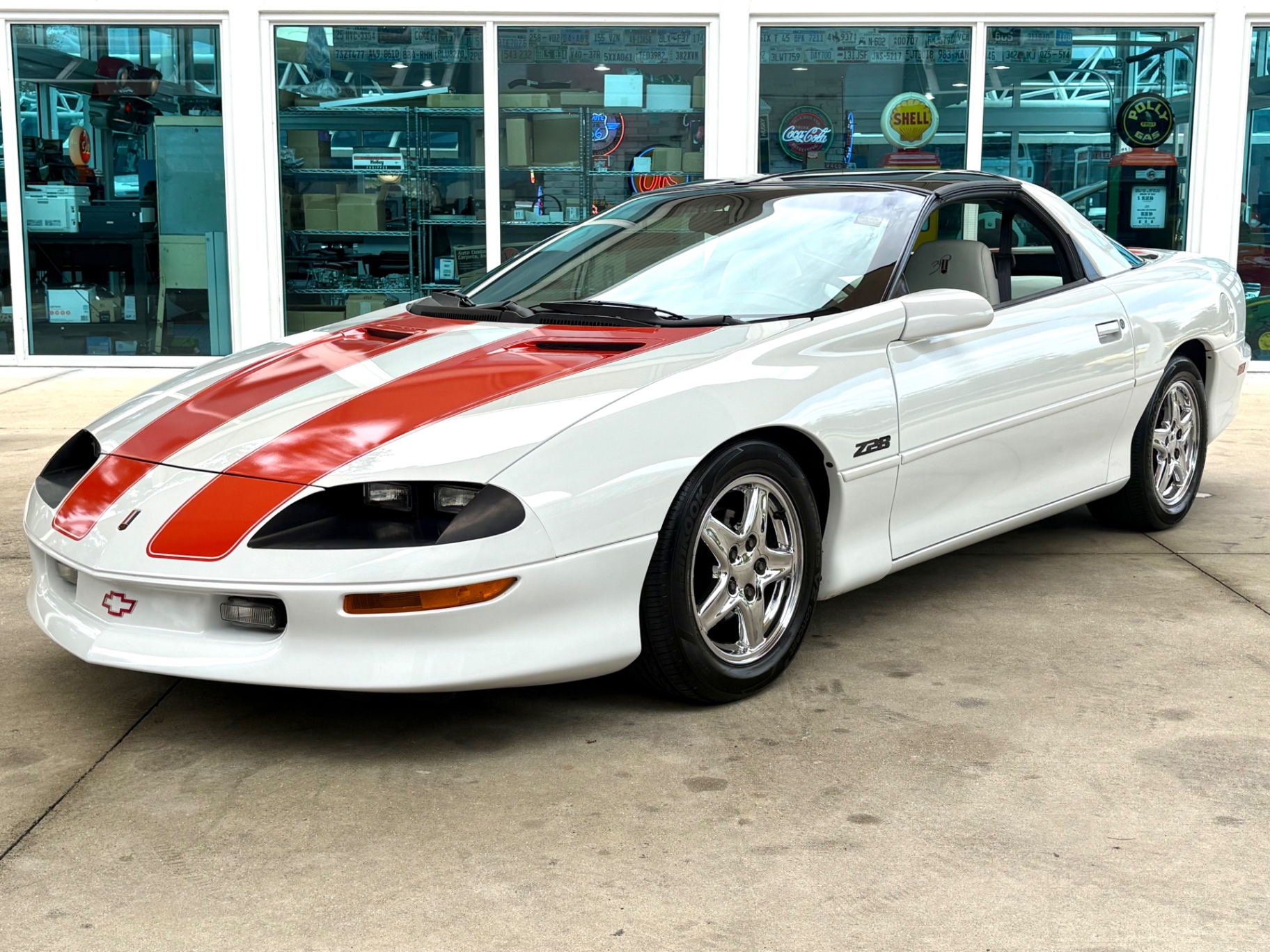
1997 Chevrolet Camaro Z/28 30th Anniversary
Delivered price to France: $35,347
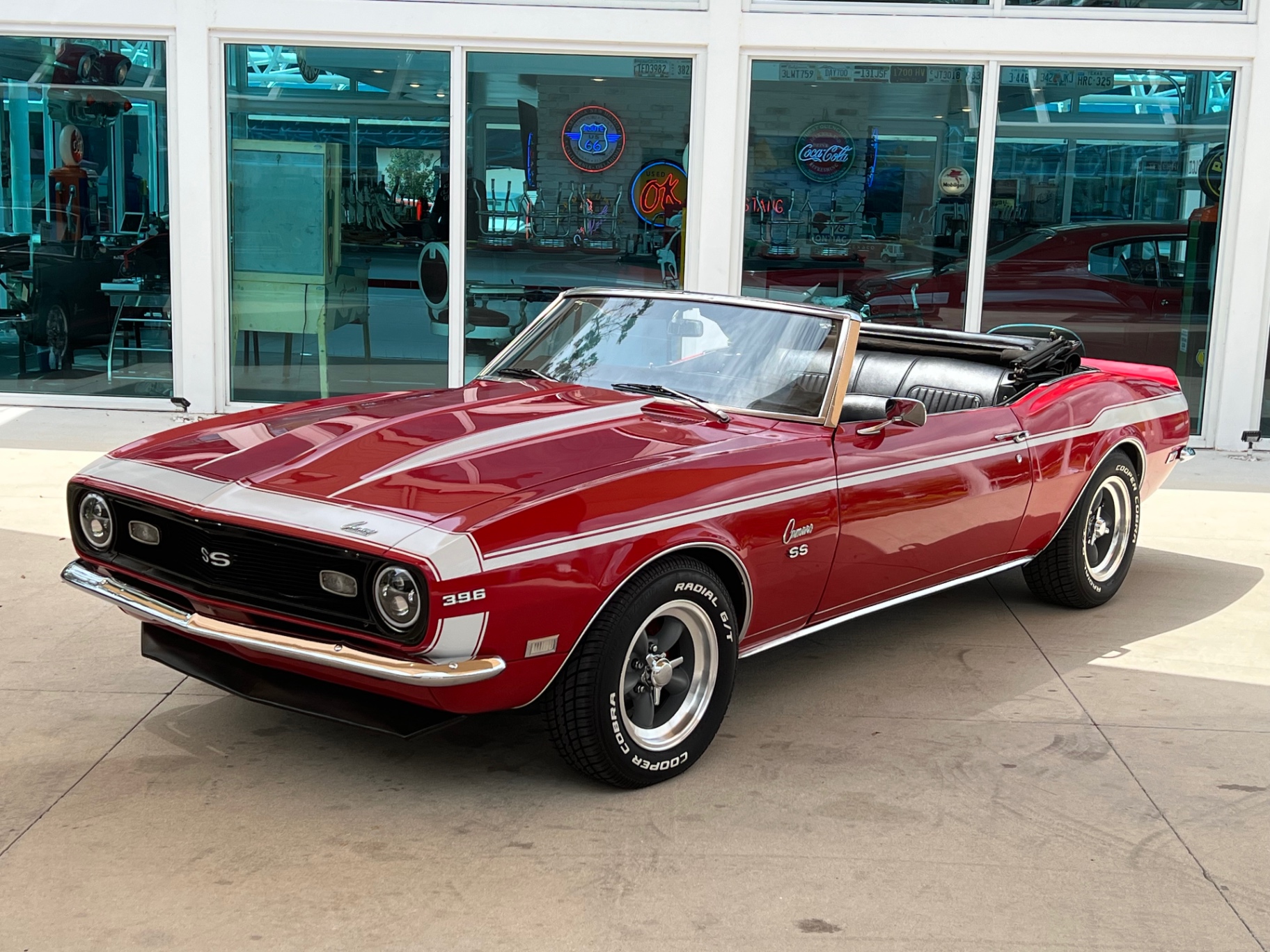
1968 Chevrolet Camaro SS
Delivered price to France: $65,526

2023 Chevrolet Camaro
Delivered price to France: $36,120

2024 Chevrolet Camaro
Delivered price to France: $42,957

2021 Chevrolet Camaro
Delivered price to France: $29,165
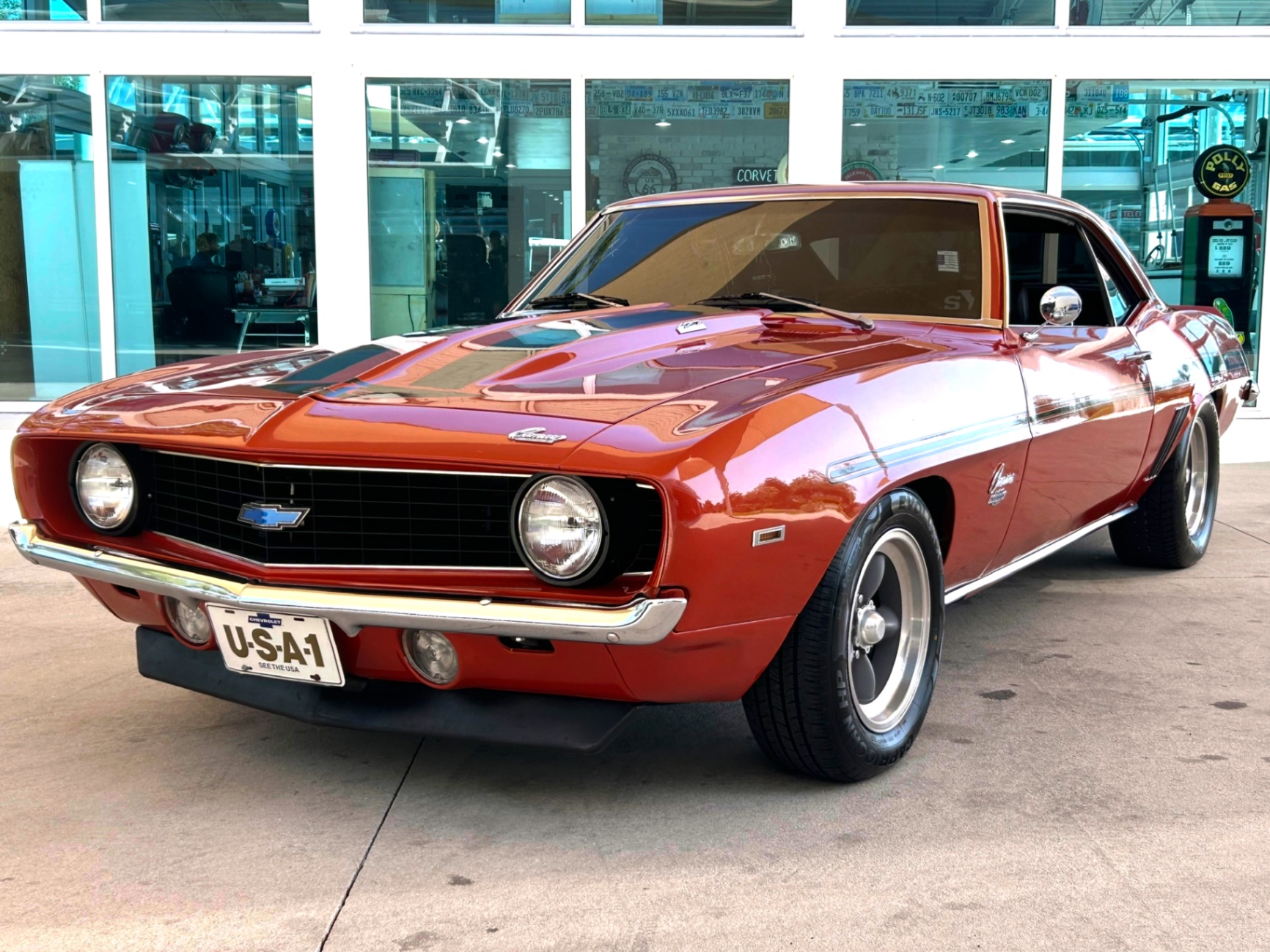
1969 Chevrolet Camaro Yenko/SC
Delivered price to France: $60,067
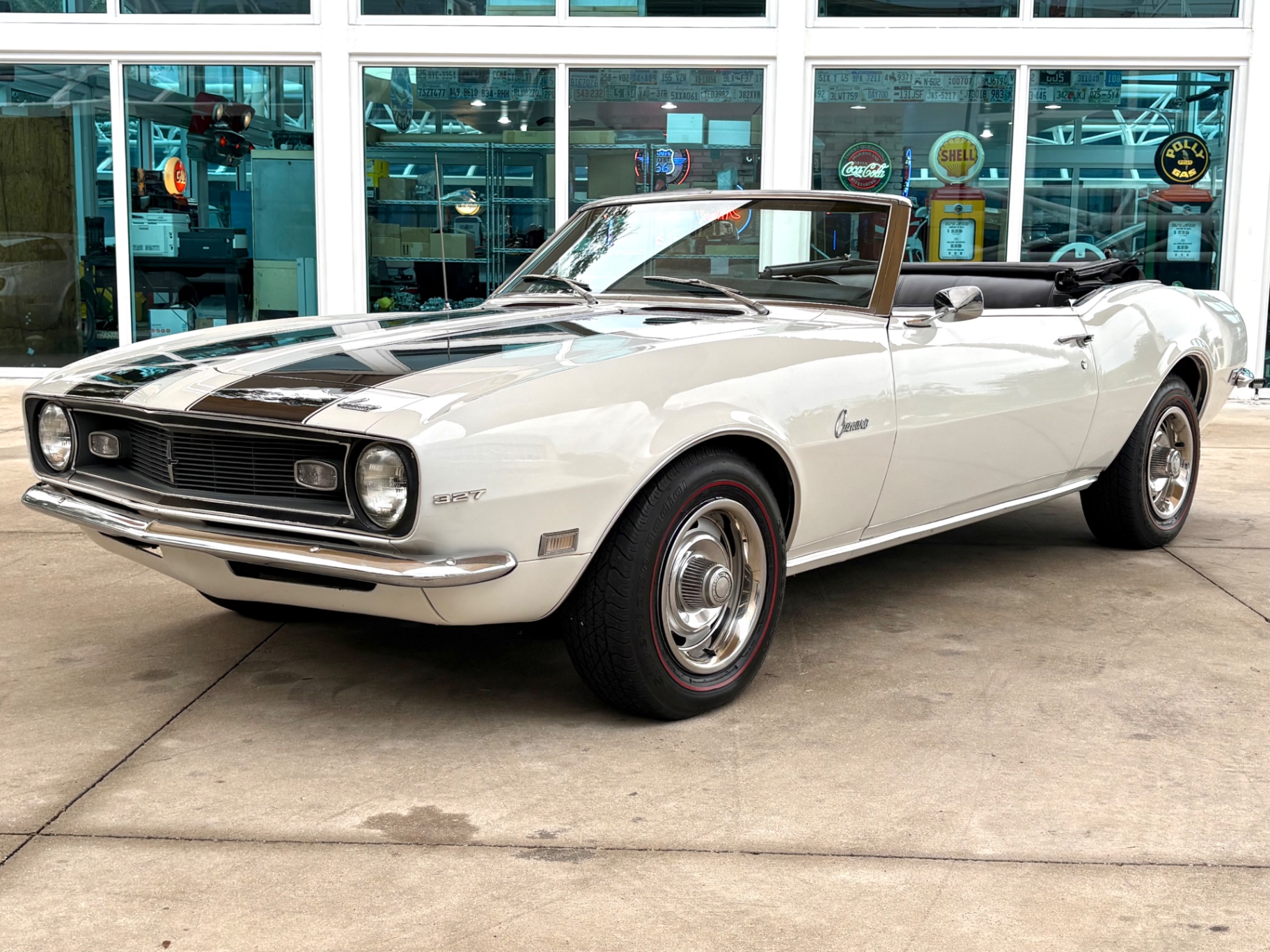
1968 Chevrolet Camaro Base
Delivered price to France: $55,947
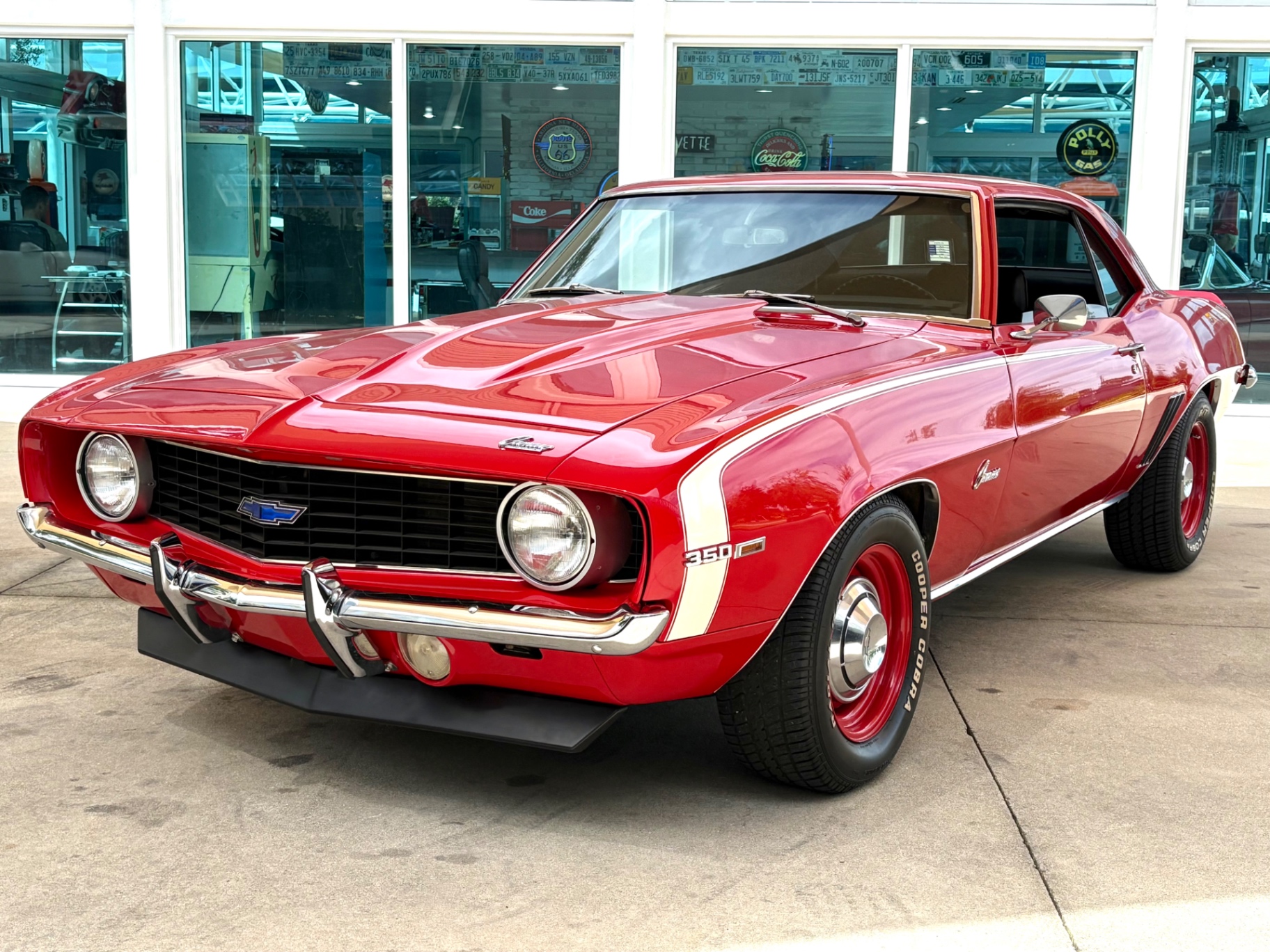
1969 Chevrolet Camaro COPO
Delivered price to France: $76,547
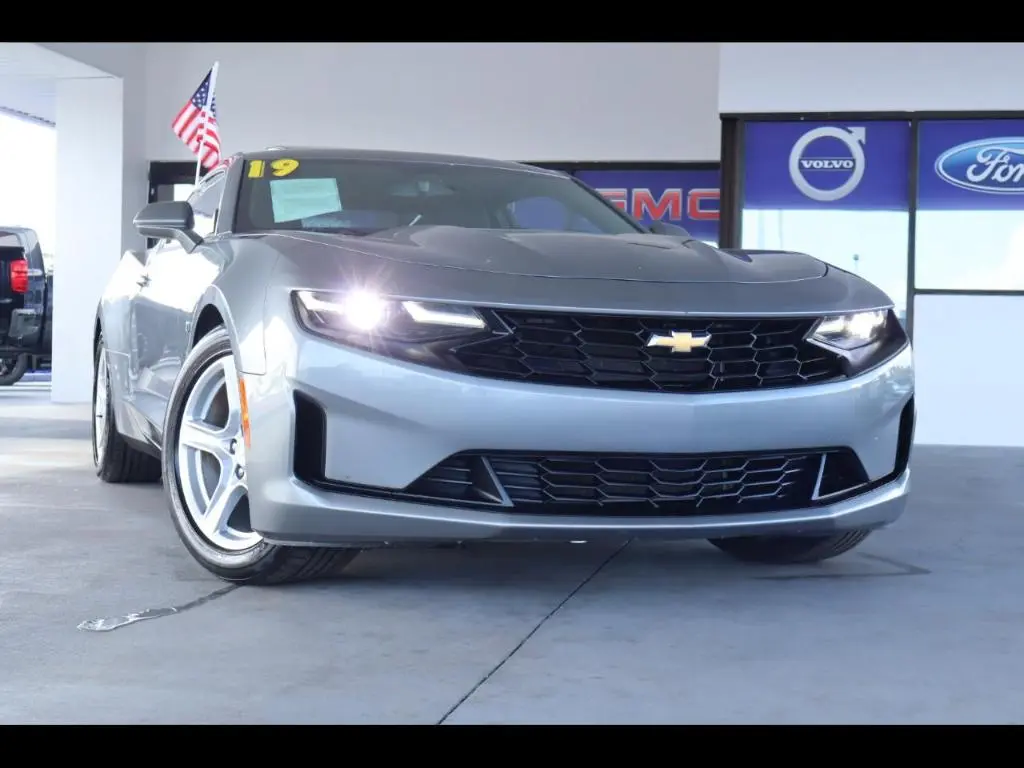
2019 Chevrolet Camaro
Delivered price to France: $24,009

2023 Chevrolet Camaro
Delivered price to France: $32,775

2020 Chevrolet Camaro
Delivered price to France: $26,062
From the 1967 launch to the last ZL1
Chevrolet launched the Camaro in September 1966 as a 1967 model, sharing its platform with the Pontiac Firebird. It ran through six generations, with a break between 2002 and 2010, and the sixth generation ended with the 2024 model year.
- First generation (1967–1969): RS (hidden headlights), SS and the Z/28, built around a 302 V8 for Trans-Am racing. Dealer-ordered COPO cars with 427 engines are among the most valuable.
- Second generation (1970½–1981): a longer, lower fastback shape; early chrome-bumper cars are the most sought after.
- Third generation (1982–1992): lighter and more modern, with the IROC-Z as the performance model.
- Fourth generation (1993–2002): V8 Z28 and SS versions with LT1 and later LS1 engines.
- Fifth and sixth generations (2010–2024): retro-styled modern cars, with SS, Z/28, 1LE and supercharged ZL1 versions.
Checking a first-generation Camaro
SS and Z/28 badges are easy to add, so documentation matters. On 1967–1969 cars the VIN tells you whether a car left the factory as a six-cylinder or a V8, but not which V8; the cowl tag records body style, paint, trim and build date, and the engine stamp pad carries a VIN derivative and suffix code. Build sheets and Protect-O-Plates are strong extra evidence.
Structurally, first-generation Camaros have a bolt-on front subframe and a unit-body rear. Check the floors, trunk floor, rear quarters, lower doors and the window channels, and look at how the subframe is mounted. Many cars have been restored or modified, which is not a problem as long as the description is honest.
Importing a Camaro
Most Camaros were built for the North American market, so the United States is by far the largest source of cars in every generation. The delivered price covers the car, US inland transport, ocean freight to your destination port and our service.
Customs duties, import VAT or taxes, port charges at destination, registration and local compliance costs are not included. Classic Camaros over 30 years old may qualify for reduced duty or VAT in many countries, while modern cars may need individual approval work such as lighting changes. Shipping times are estimates depending on the port, shipping line, customs and destination country.
Frequently asked questions
Which Camaro is the best investment?
Documented first-generation SS, Z/28 and COPO cars have the strongest collector following. Second-generation chrome-bumper cars and IROC-Zs are more affordable ways into classic Camaro ownership. We don't give investment advice, but originality and paperwork always support value.
How can I tell if a Camaro Z/28 or SS is genuine?
Compare the cowl tag, engine stamp pad and any build sheet or Protect-O-Plate with the car. Missing paperwork doesn't rule a car out, but it should be reflected in the price. We can organise a video inspection focused on these details.
What is included in the delivered price?
The car, transport inside the USA, ocean freight to your destination port and our service. Customs duties, import VAT or taxes, destination port charges, registration and local compliance costs are paid separately.
Are Camaros easy to maintain outside the USA?
Yes. Chevrolet V8s are among the best-supported engines in the world, and parts for classic Camaros are widely reproduced and shipped internationally.
How long does delivery take?
Shipping times are estimates, not guaranteed dates: they depend on where the car is located, the port, the shipping line, customs and your destination country. Your adviser gives you an estimated timeline once you reserve.